
Fire sprinkler systems in Rugby
Fire sprinkler systems in Rugby, installed, serviced and tested by Sentry Sprinkler Protection, with a free survey and a fixed price in writing. No survey fee, no travel charge, and an emergency line that answers outside working hours.
- 23 miles from our yard in Kettering
- ISO 9001 certified
- Covering CV21, CV22, CV23
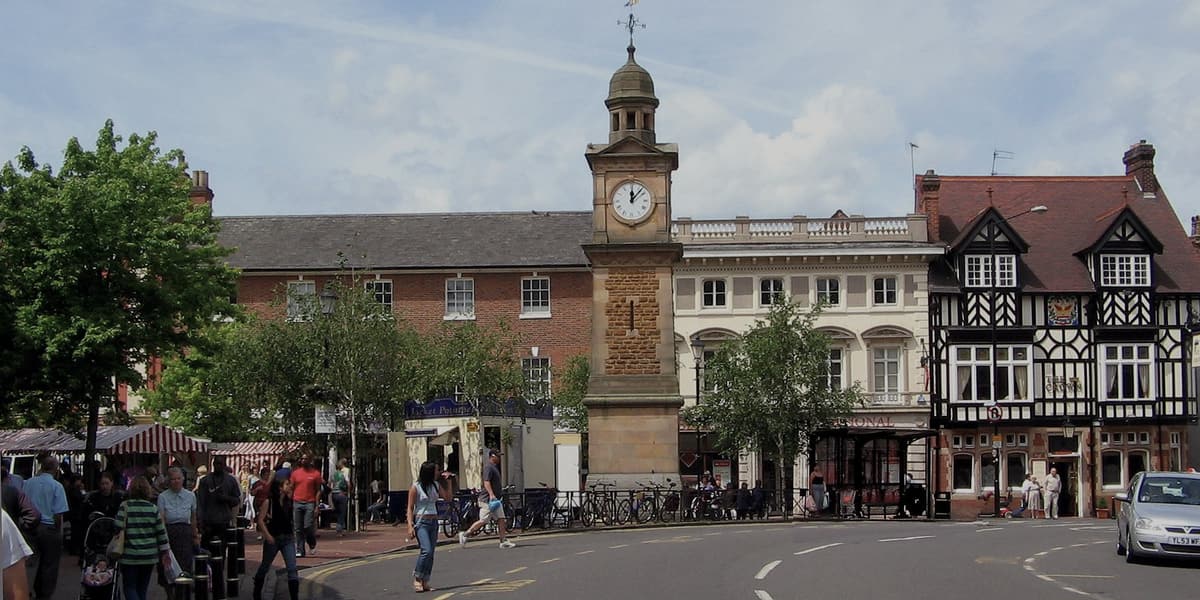
Rugby: photograph by G-Man at English Wikipedia, Public domain , via Wikimedia Commons.
What we do in Rugby
Designed, installed, tested and certified by us. Nothing subcontracted, and the same standard whatever the postcode.
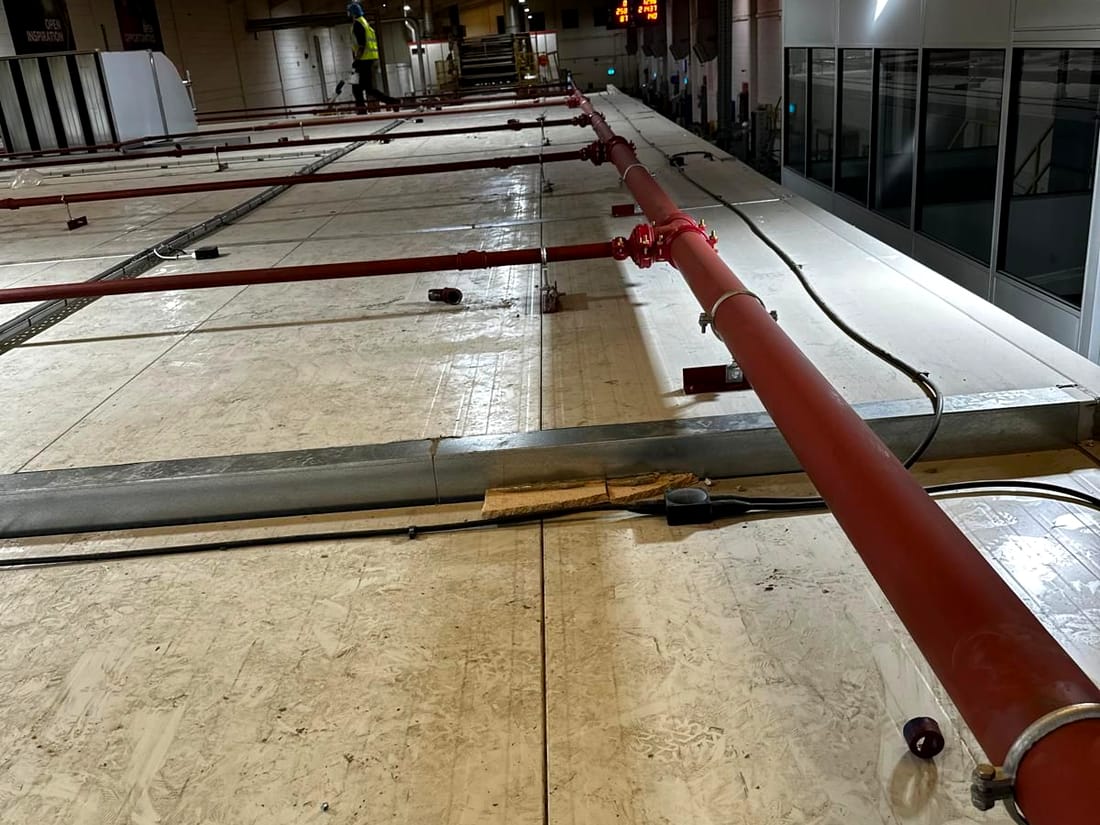
Design and installation
New systems, extensions and upgrades, designed, installed and commissioned.
Fire sprinkler installation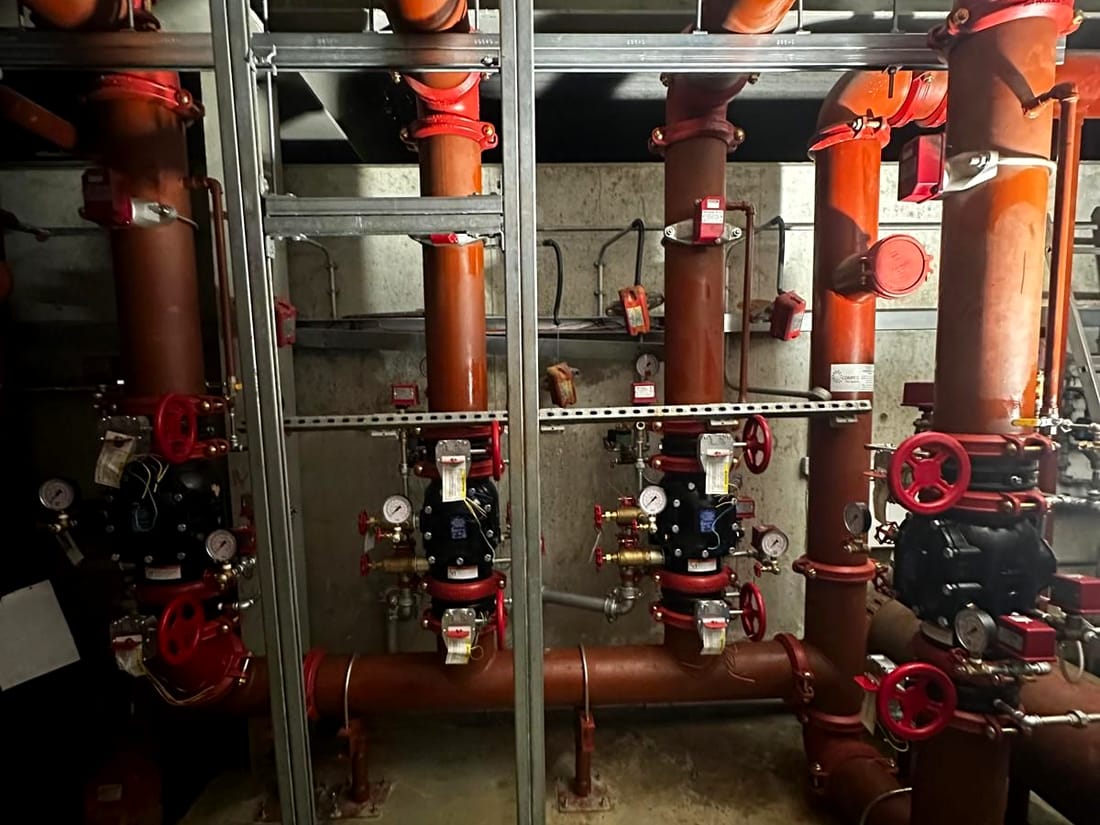
Sprinkler servicing
The full BS EN 12845 routine, from the weekly gauge and alarm check to the annual service.
Fire sprinkler servicing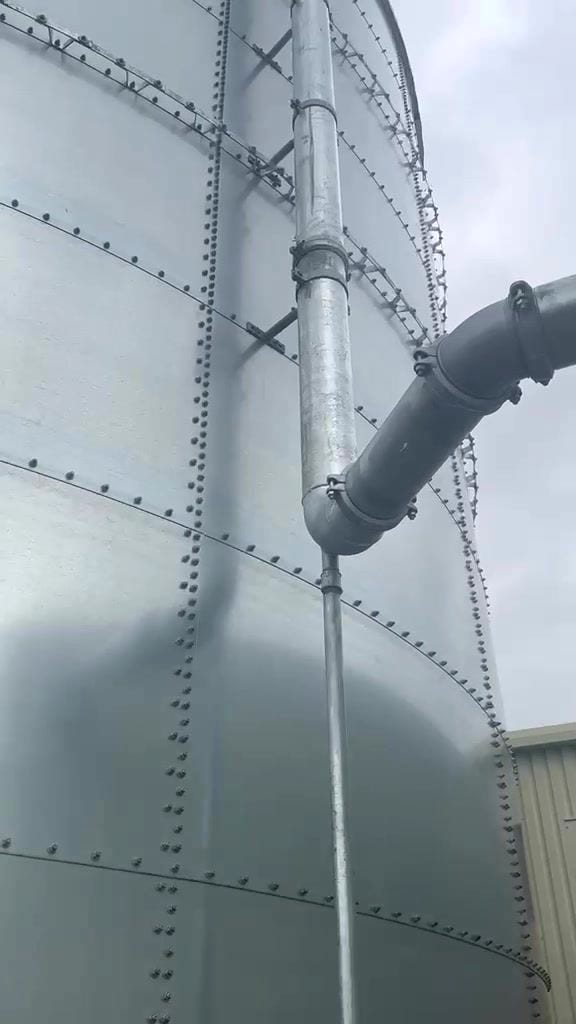
Sprinkler tanks
The water supply behind the system, inspected, cleaned and replaced when it is past it.
Sprinkler tank maintenance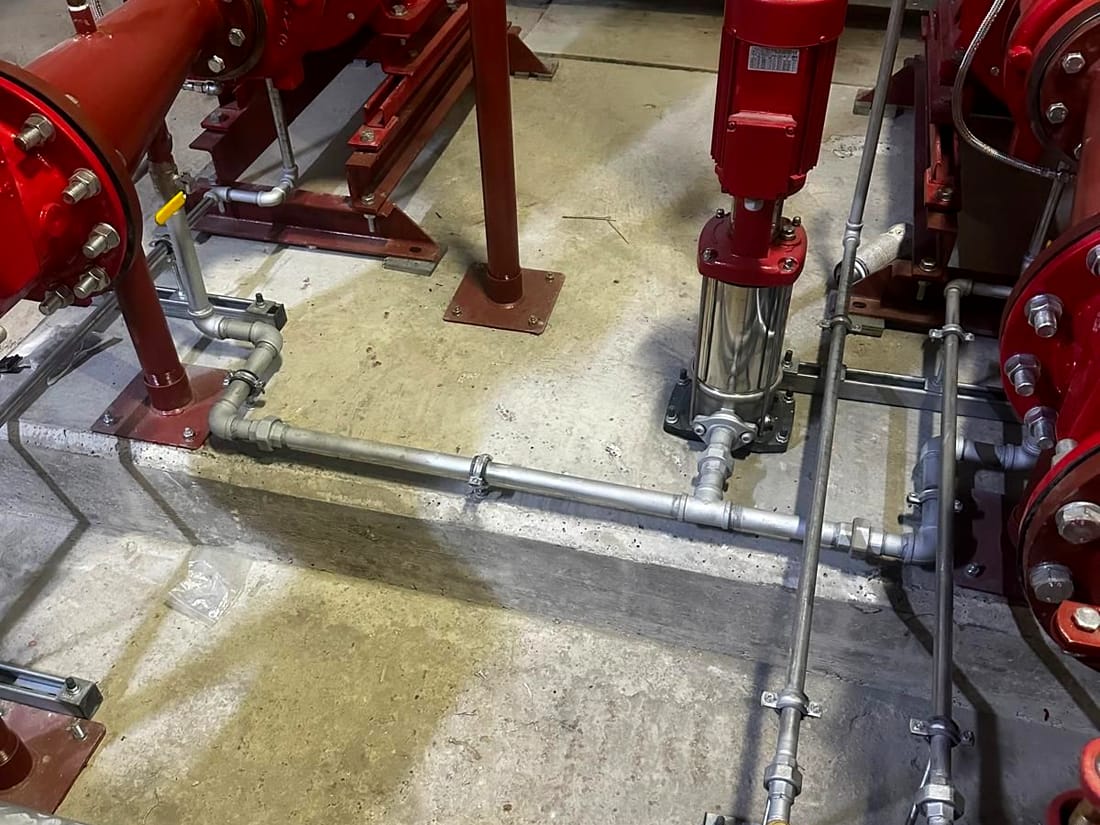
Fire pumps
Electric and diesel sets proved under flow, not just started and signed off.
Fire pump servicing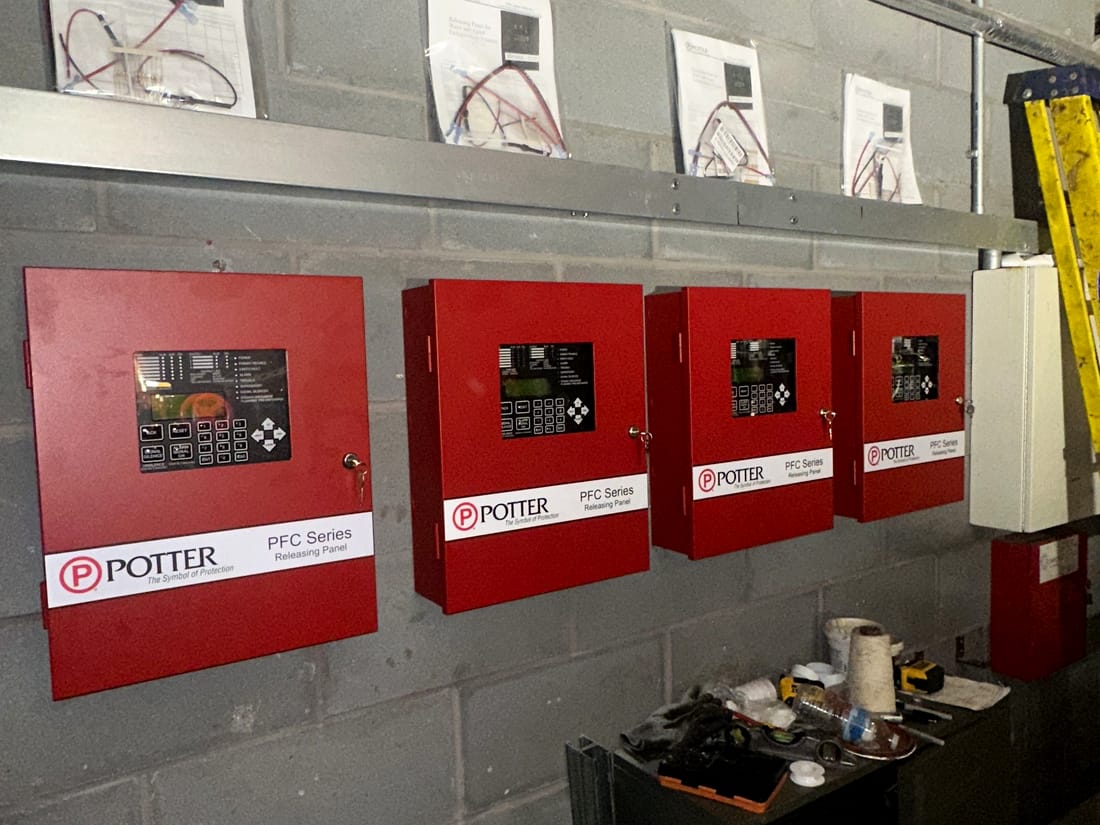
24/7 emergency
A leak, a failed pump or a discharged head, answered out of hours.
Emergency sprinkler repair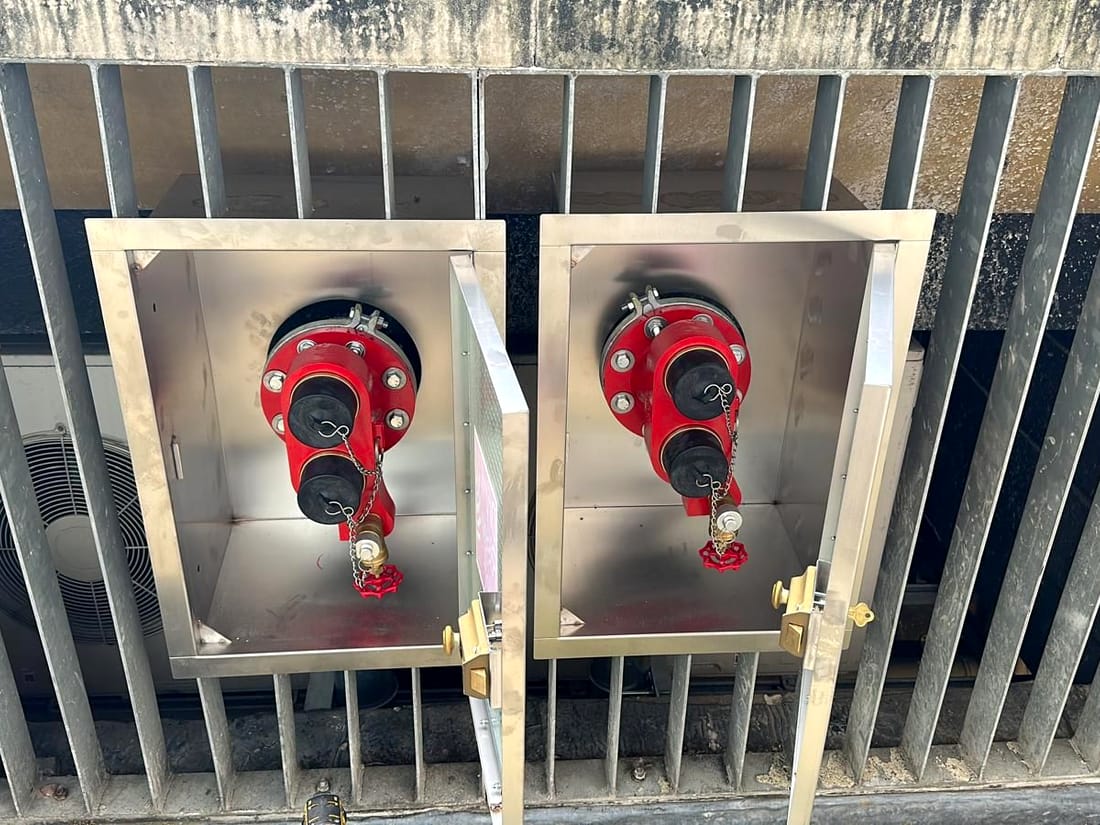
Dry risers
Six-monthly inspection and the annual pressure test, with the certificate your fire risk assessment asks for.
Dry riser testing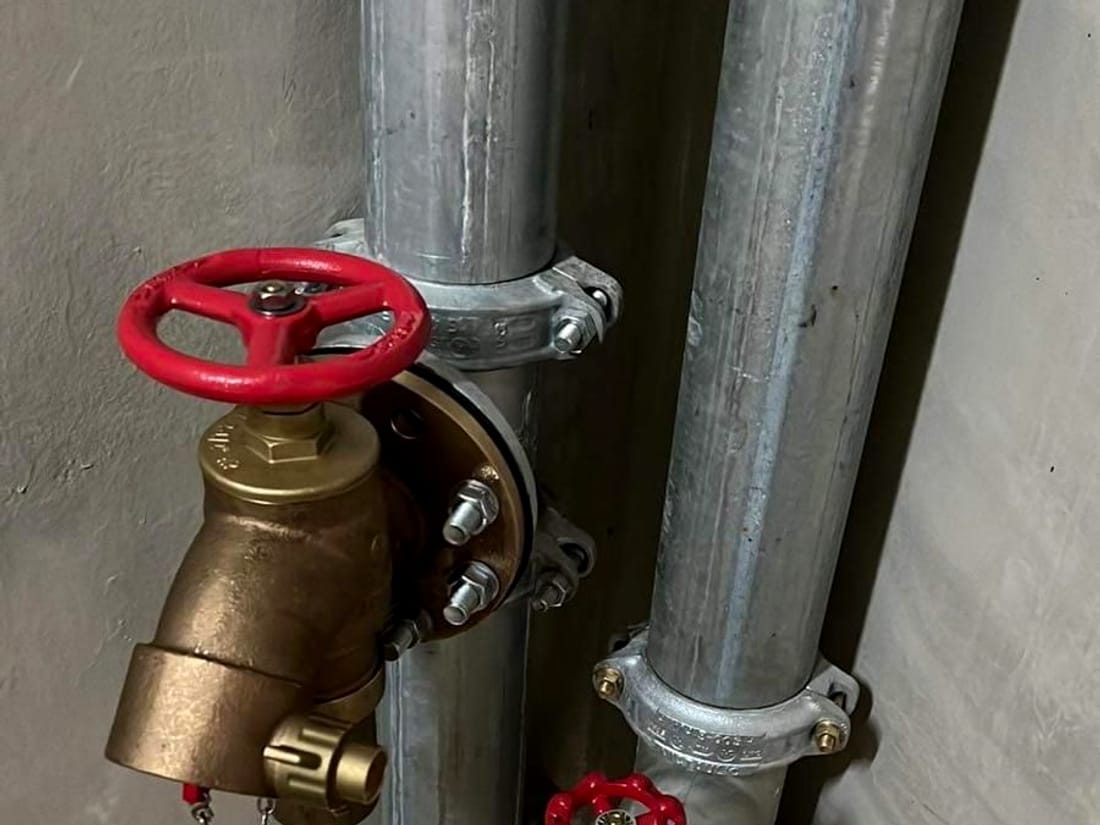
Wet risers
Charged risers, their pumps and their tanks, tested together because they only work together.
Wet riser servicingWhat this costs, and what moves the price Wet, dry, pre-action and deluge explained
Fire protection in Rugby
Sentry Sprinkler Protection provides fire sprinkler servicing in Rugby and across Warwickshire, from its base in Kettering. Rugby has heavy industrial heritage in cement and engineering, sits on the West Coast Main Line, and has attracted significant distribution development along the M6 and A5. Heavy industrial process buildings and modern sheds sit close together here.
Where we tend to end up: the heavy industrial and process buildings the town grew around, the distribution development along the M6 and A5, and the town centre around the Clock Tower and Sheep Street.
Process buildings often have suppression that was designed around a specific plant layout. Move the plant and the coverage no longer matches the risk, which is not something an annual service picks up unless somebody is looking for it.
Buildings this applies to
- Heavy industrial and process buildings
- Distribution warehousing near the M6 and A5
- Rail and infrastructure premises
- Town centre and residential development
What is actually built in Rugby
Rugby has heavy industrial heritage in cement and engineering, sits on the West Coast Main Line, and has attracted significant distribution development along the M6 and A5. Heavy process buildings and modern sheds sit unusually close together here, and they are not the same job.
Process and heavy industrial buildings are the more demanding half. They can carry particular hazards, higher ceilings, plant that runs continuously and areas where water is not the right answer at all. The design question is not only how much water but where it should and should not go, and that is decided building by building.
The distribution development along the motorway is the conventional half: large floor plates, racking-led hazard classification, and pump-and-tank water supplies. Rail and infrastructure premises add a third category with their own access constraints.
Why this matters in Rugby
-
Process buildings are not warehouses
Heavy industrial and process areas can involve hazards that change the design fundamentally, and in some areas a water-based system is not appropriate. That is a design judgement, and it is why a survey of a process building takes longer than a survey of a shed.
-
Continuous operation limits isolation
Plant that runs without a natural shutdown makes the annual harder to schedule than on a distribution site, where out-of-hours works. Zone valves and a written isolation plan are what make it practical.
-
Motorway distribution follows the racking
The sheds along the M6 and A5 are classified by what is stored and how high under BS EN 12845. Racking or stock changes move the classification without anybody touching the pipework.
-
Emergency response is a real consideration here
Where a process line depends on the building staying in operation, a leak, a weeping head or a pump fault is a production problem within the hour. That is why emergency cover is one of the priority services on this page.
The systems Rugby actually has
Servicing and fire pump work, with emergency call-out unusually prominent because so much of the local stock cannot simply stop. Installation tends to be alteration inside existing plant.
Getting there: Twenty-three miles, on the A428 and M6. Straightforward, and the motorway sites are the quickest part of the town to reach.
Not sure which standard your Rugby building is held to?
It is a survey question rather than a paperwork one, and the survey is free. We read the building and the policy rather than assuming from the postcode.
The work, not the town
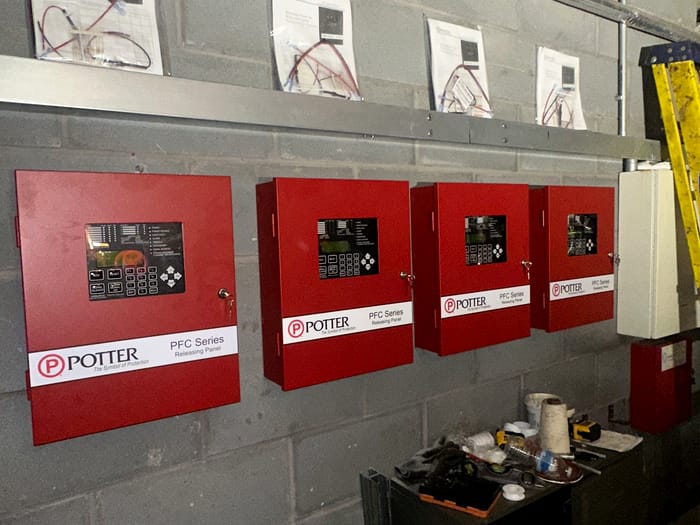
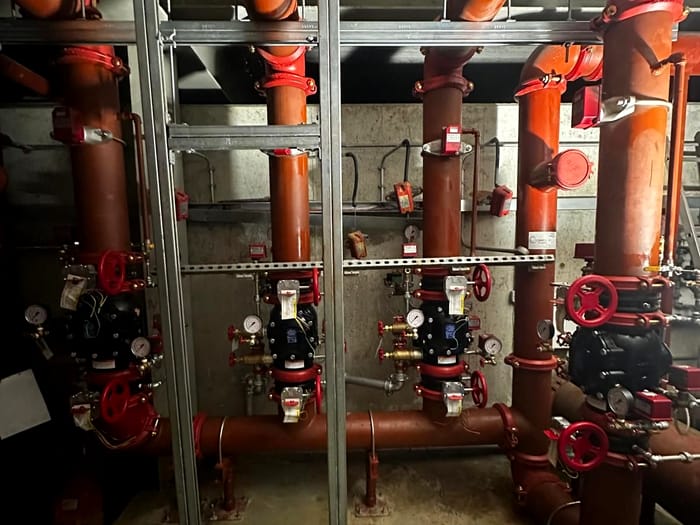
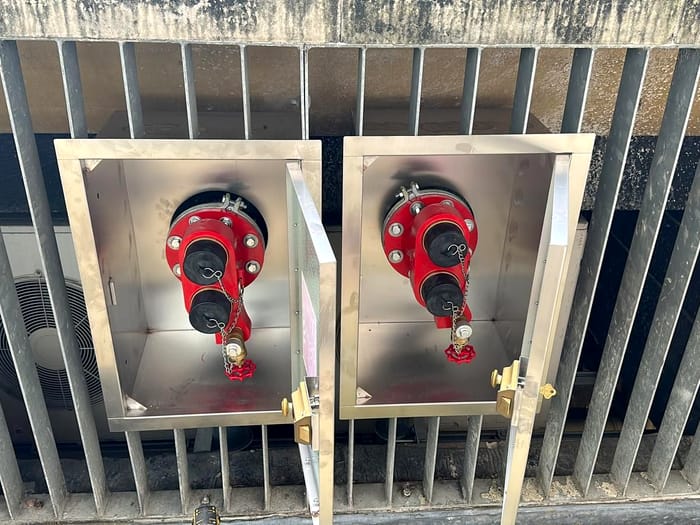
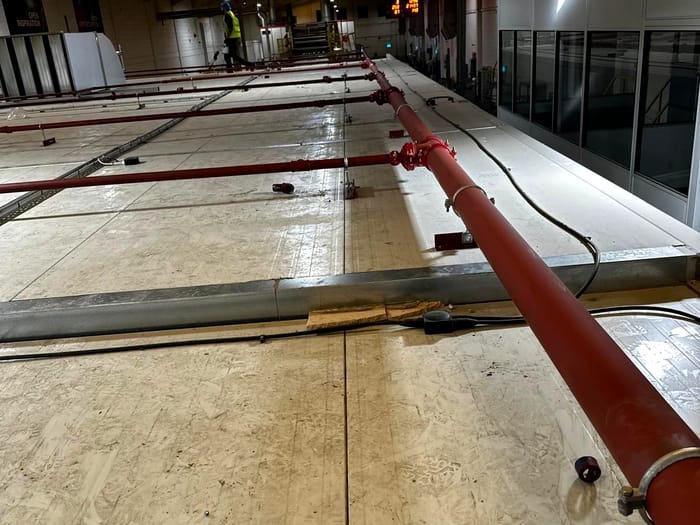
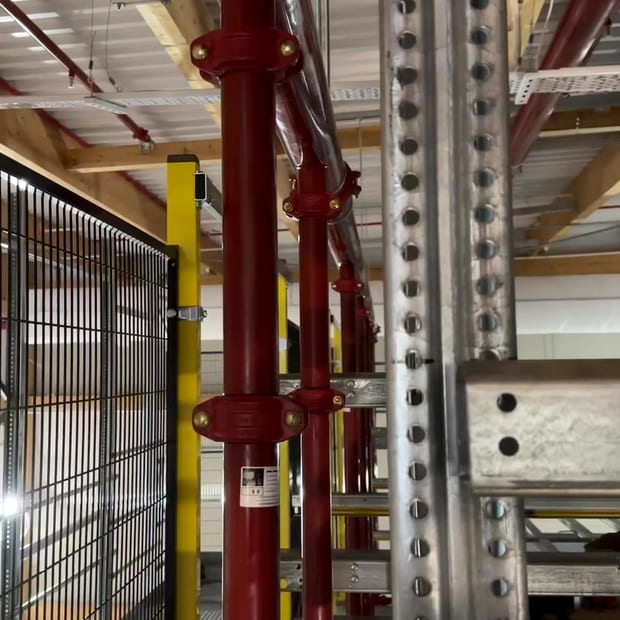
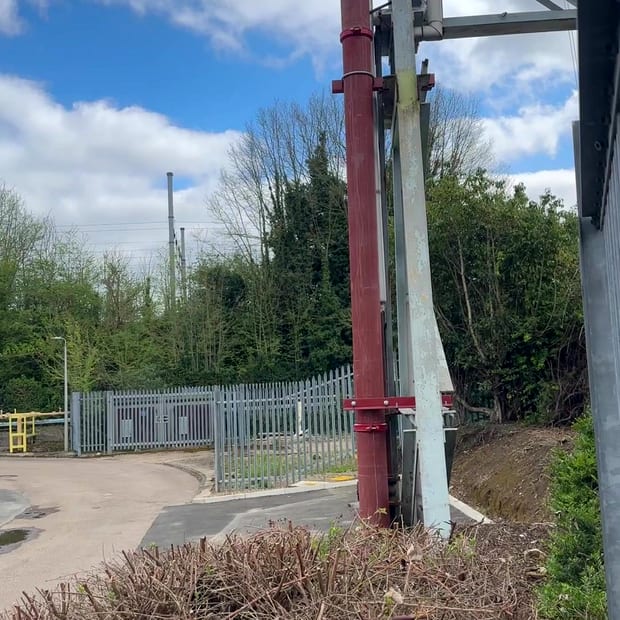
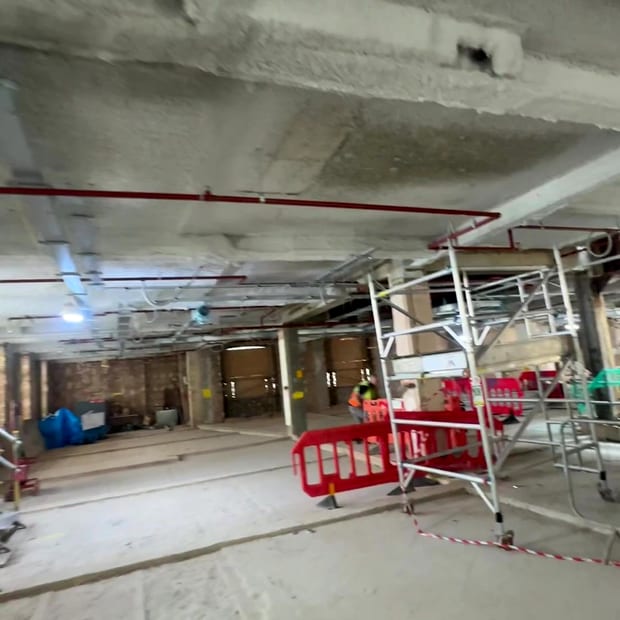
These are our own jobs rather than stock photographs. We have not claimed any of them were taken in Rugby, because that is not something we would be able to show you.
All 62 photographsWorth reading before you ring
From first call to certificate
Four steps, the same on every job.
-
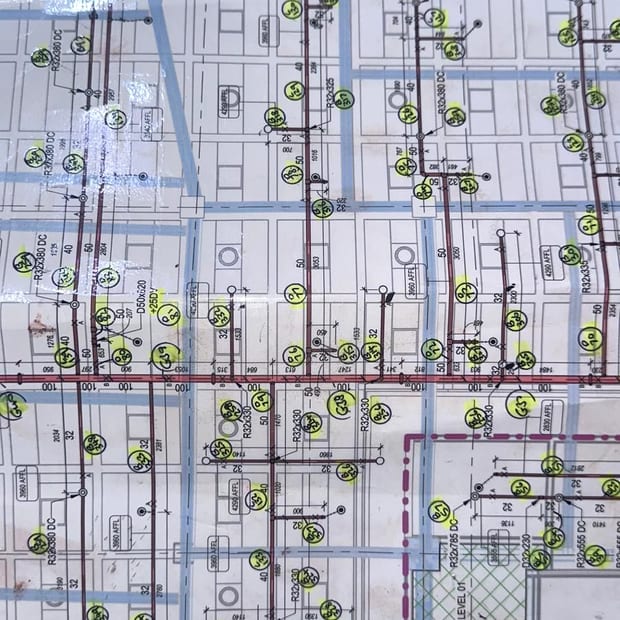 01
Free survey
We look at the building and its records, and tell you what it is due.
-
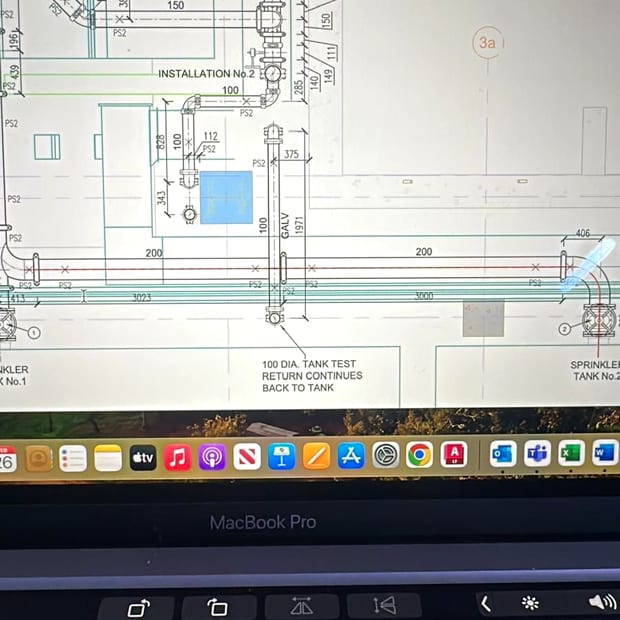 02
Fixed price in writing
Every item priced line by line. No survey fee, nothing added afterwards.
-
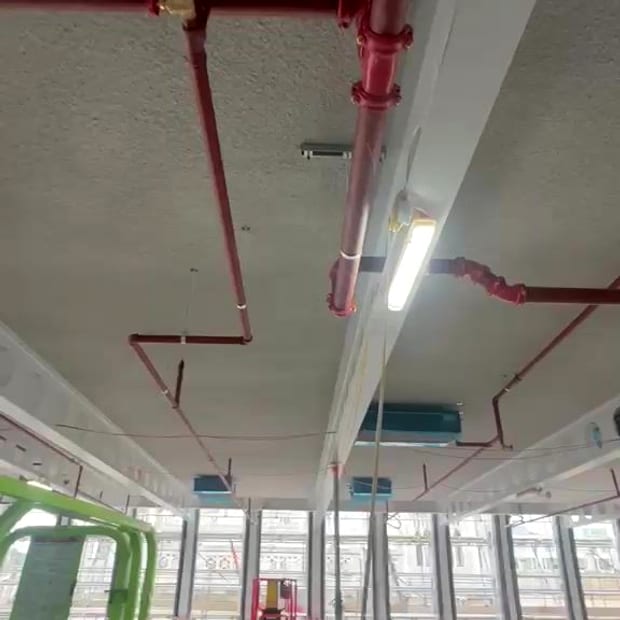 03
The work, on your dates
Isolation agreed before anyone arrives, kept as short as the job takes.
-
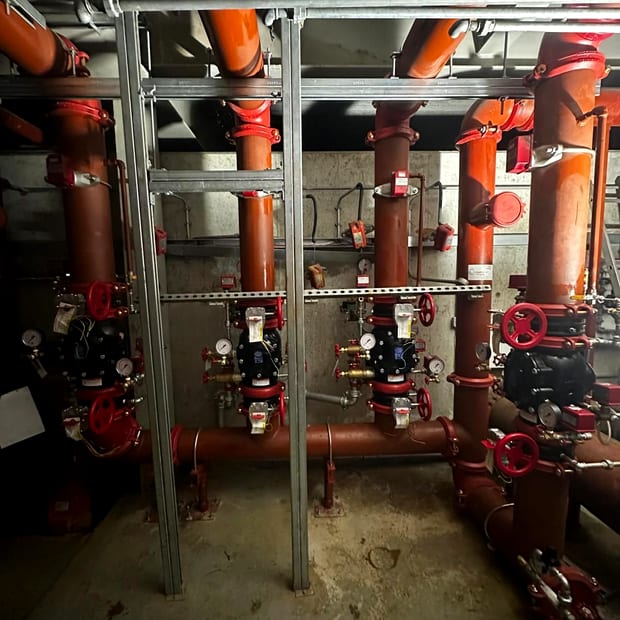 04
Certificate and record
A certificate and a photographed defect list, ready for your insurer.
- Start
Book the free survey
Tell us the building. We will tell you what it is due.
Book a free survey
Free survey · fixed price in writing
Tell us what you need. We will tell you what it takes.
Four quick taps and your details. A free survey and a fixed price in writing, with no survey fee and no obligation.
Mon to Fri, 7am to 5pm. Emergencies any hour.
Request received
We’ve got it from here.
Step 1 of 5 is done. Here is how the rest goes.
- Request sent Done
- 2 We call you Next
- 3 Free survey
- 4 Fixed price
- 5 Work done
Rugby questions, answered
Our Rugby plant has been reconfigured. Does the system still cover it?
That is exactly the question worth asking. Suppression in a process building is designed around a specific plant layout. Move the plant and the coverage no longer matches the risk, and an annual service will not flag it unless somebody is looking for it. A hazard review will.
Do you cover the estates off the M6 and A5?
Yes. Rugby is 23 miles from us and the logistics development along those corridors is the same building type we work on daily at Daventry and Northampton.
Want a price for this building?
An engineer walks the plant room, counts what is actually there and writes it up. The survey is free, the figure is firm, and it holds for thirty days. No obligation either way.
Where Rugby is on our patch
23 miles from our yard in Kettering, inside the ring we are in most weeks.
Towns near Rugby
We cover all of England from our base in Kettering, so if your building is between two of these it makes no difference to us. Distances are straight-line, from Rugby.
Certified, and audited on a schedule.
ISO 9001, certified by BRE Global and accredited by UKAS. Somebody independent audits how every job is planned, recorded and signed off, on a schedule.

ISO 9001:2015
Certified by BRE Global, accredited by UKAS
An audited quality management system. It means the way a job is planned, recorded and signed off is itself inspected by somebody independent, on a schedule.
Working to BS EN 12845, BS 9251 and BS 9990. If your insurer or fire risk assessor wants the certificates themselves, ring us and we will send them over.
Tell us the building. We will tell you what it is due.
No survey fee to find out where you stand. Describe the site and we will tell you which intervals apply and what the visit involves.
Request received
We’ve got it from here.
Step 1 of 5 is done. Here is how the rest goes.
- Request sent Done
- 2 We call you Next
- 3 Free survey
- 4 Fixed price
- 5 Work done