
Fire sprinkler systems in London
Fire sprinkler systems in London, installed, serviced and tested by Sentry Sprinkler Protection, with a free survey and a fixed price in writing. No survey fee, no travel charge, and an emergency line that answers outside working hours.
- 66 miles from our yard in Kettering
- ISO 9001 certified
- Covering EC1 to EC4, WC1, WC2, E1, SE1
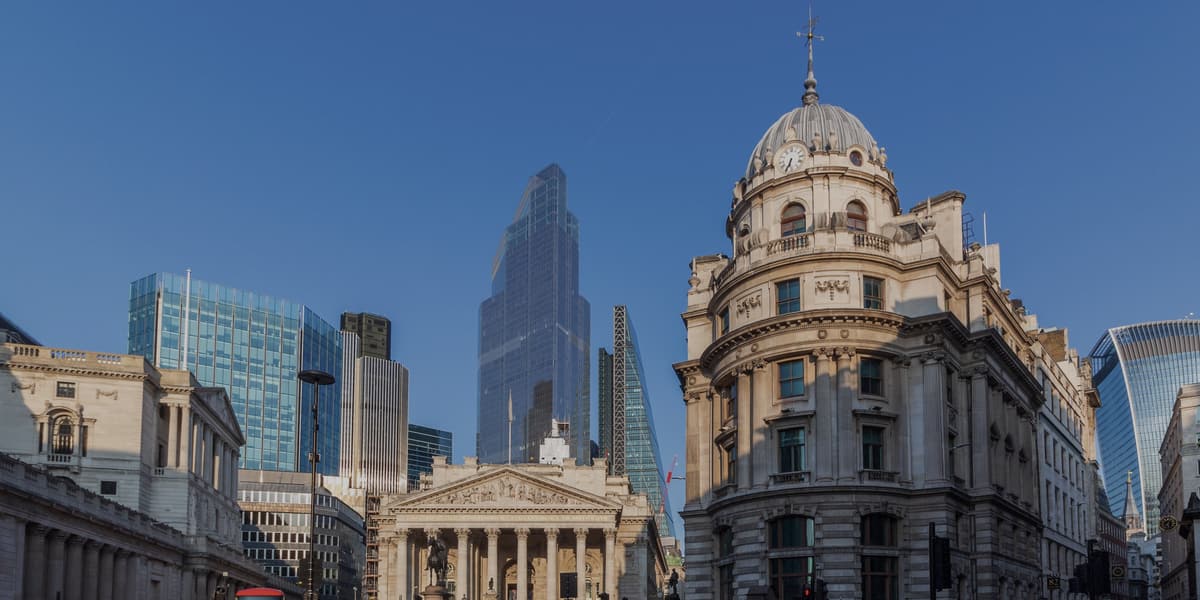
London: photograph by The wub, CC BY-SA 4.0 , via Wikimedia Commons.
What we do in London
Designed, installed, tested and certified by us. Nothing subcontracted, and the same standard whatever the postcode.
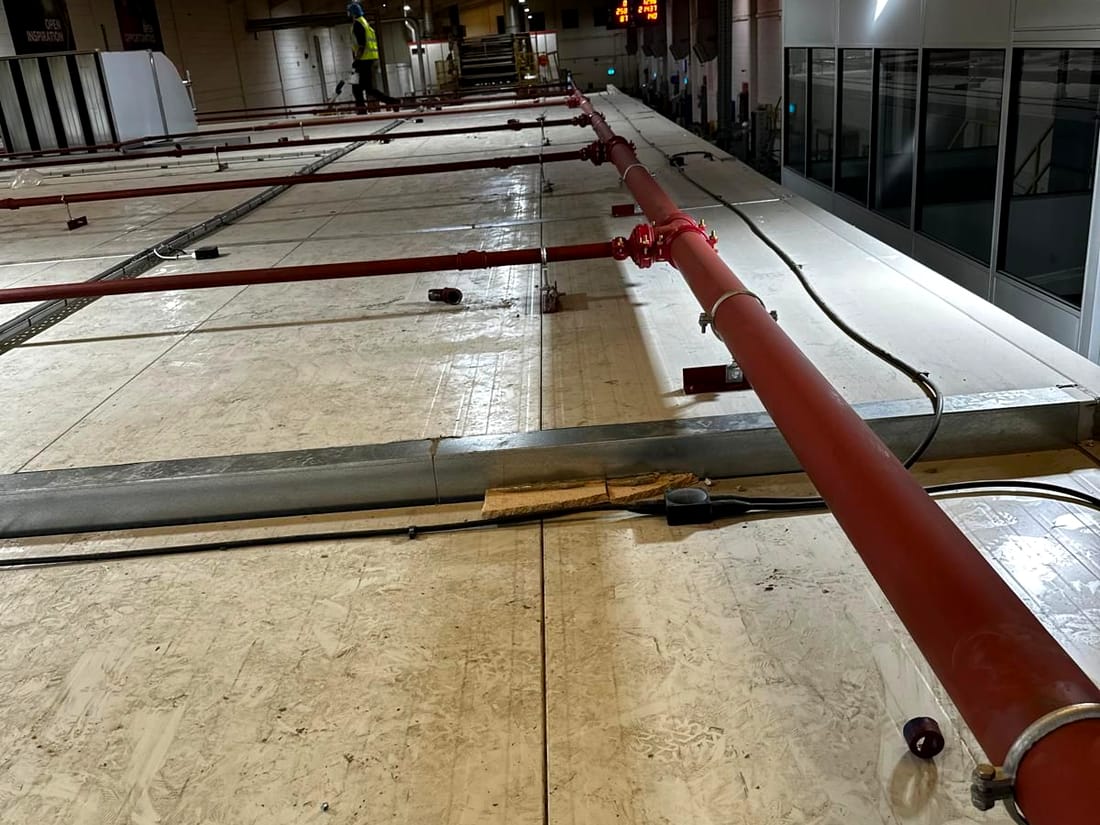
Design and installation
New systems, extensions and upgrades, designed, installed and commissioned.
Fire sprinkler installation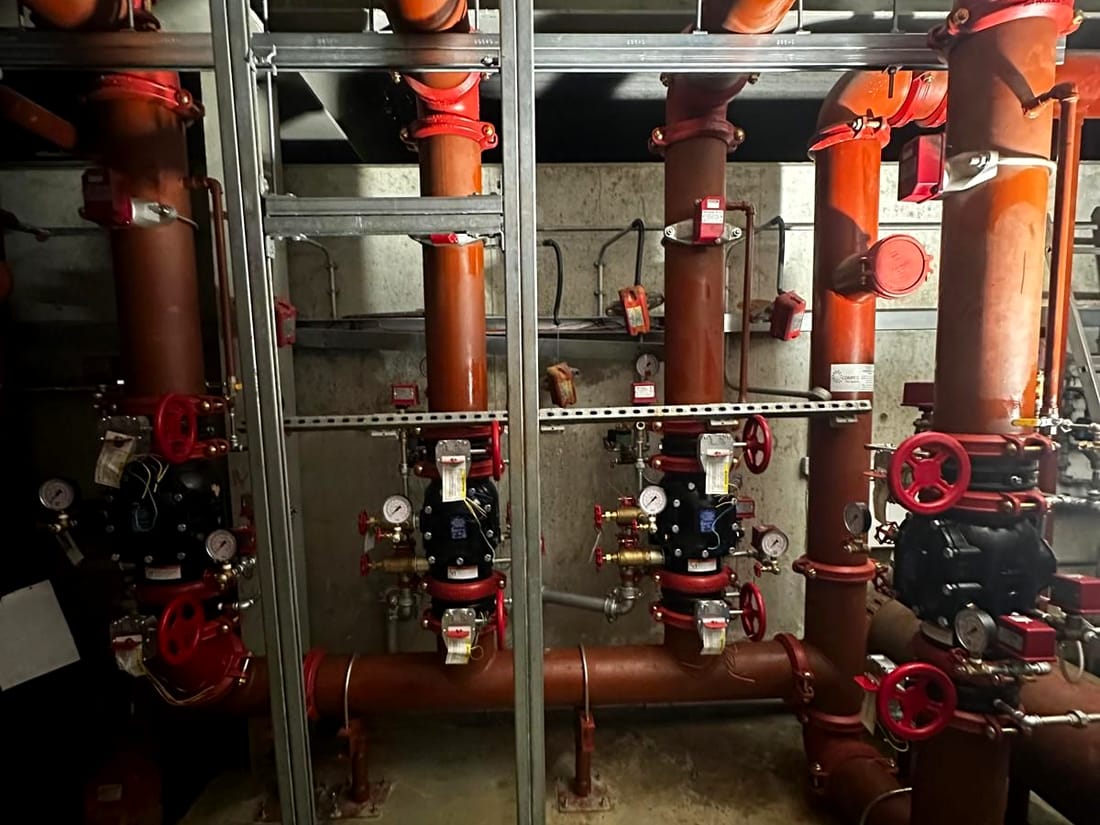
Sprinkler servicing
The full BS EN 12845 routine, from the weekly gauge and alarm check to the annual service.
Fire sprinkler servicing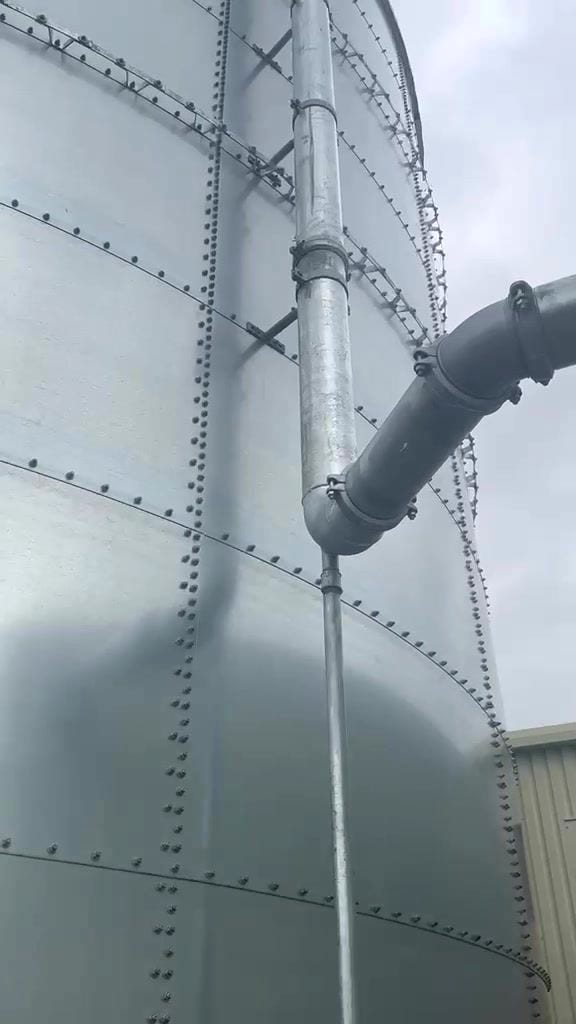
Sprinkler tanks
The water supply behind the system, inspected, cleaned and replaced when it is past it.
Sprinkler tank maintenance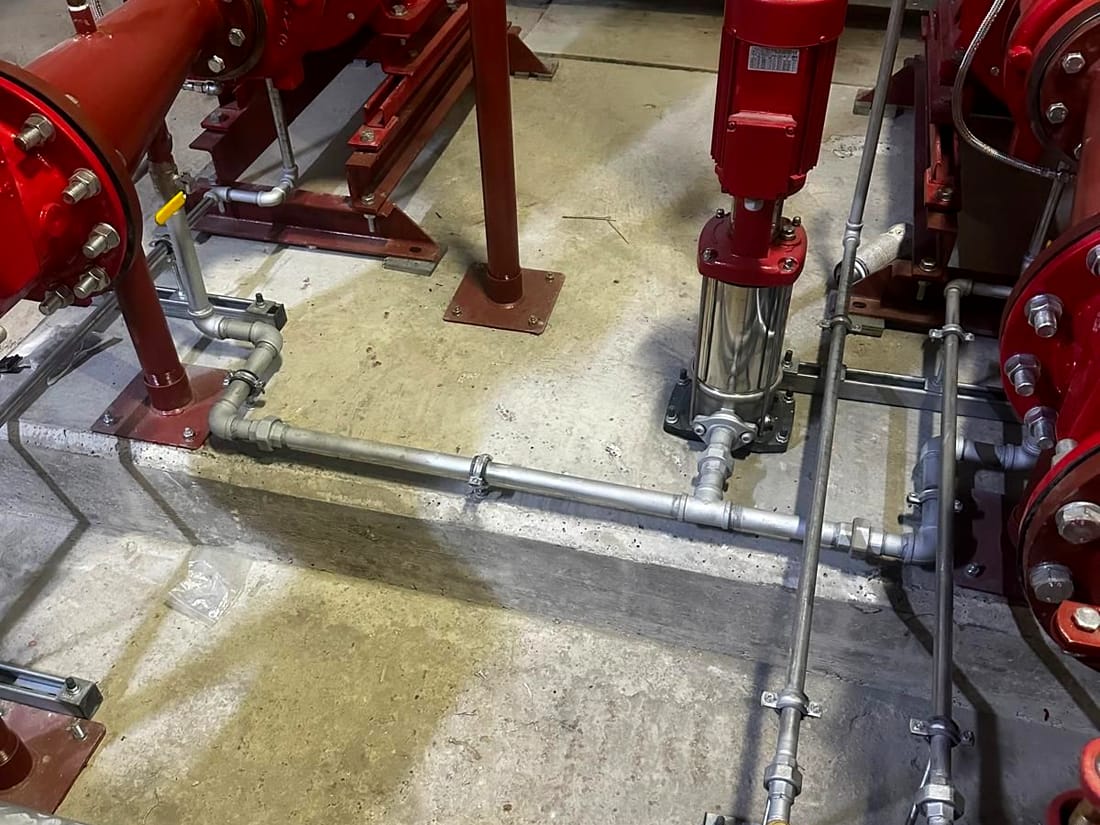
Fire pumps
Electric and diesel sets proved under flow, not just started and signed off.
Fire pump servicing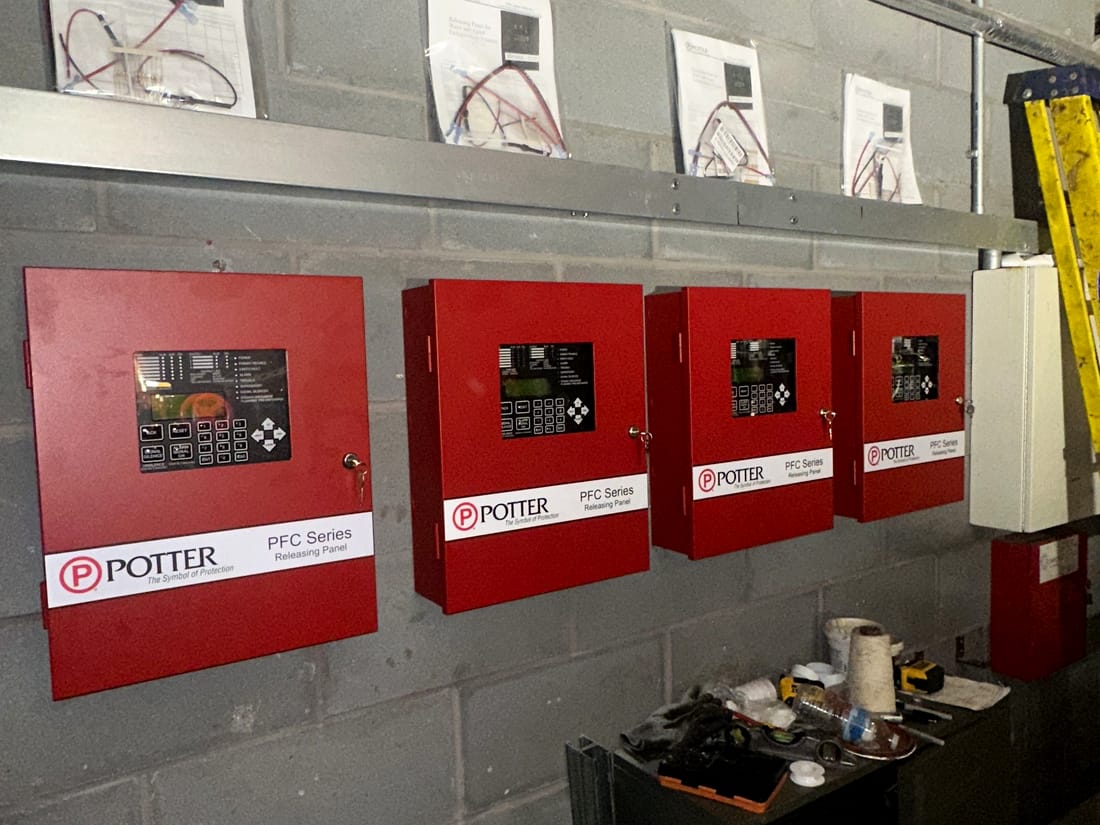
24/7 emergency
A leak, a failed pump or a discharged head, answered out of hours.
Emergency sprinkler repair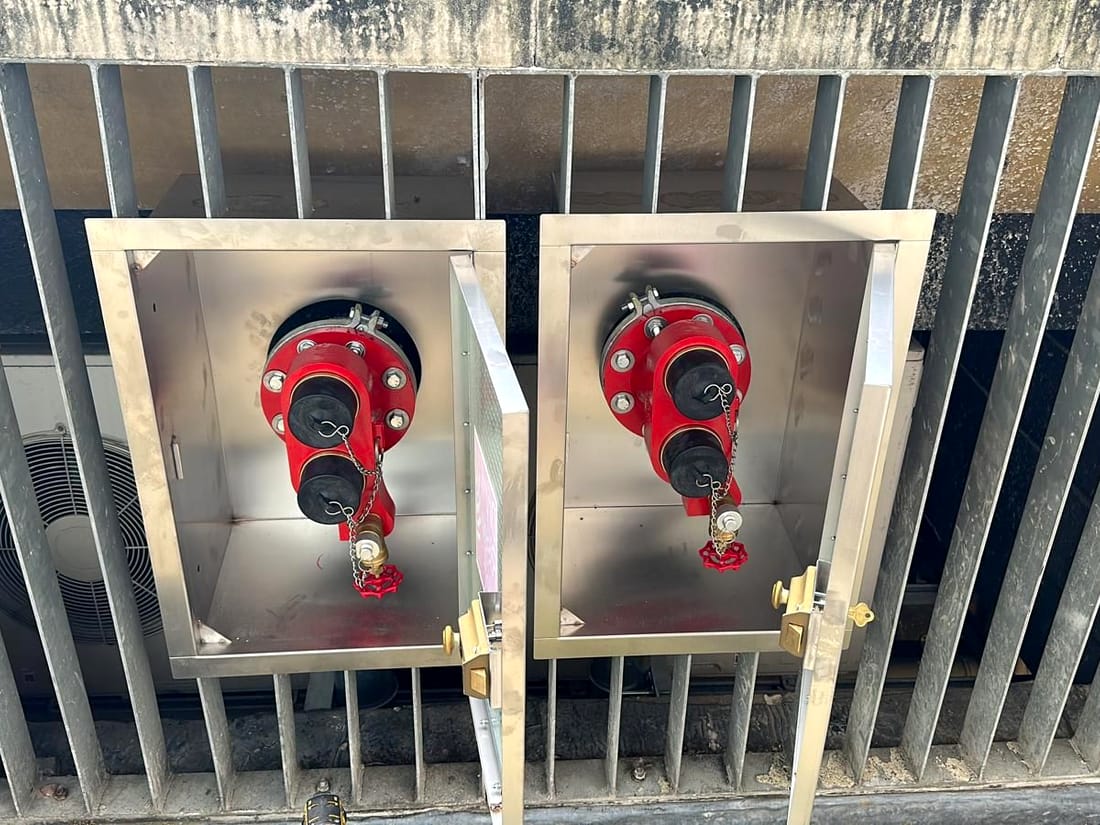
Dry risers
Six-monthly inspection and the annual pressure test, with the certificate your fire risk assessment asks for.
Dry riser testing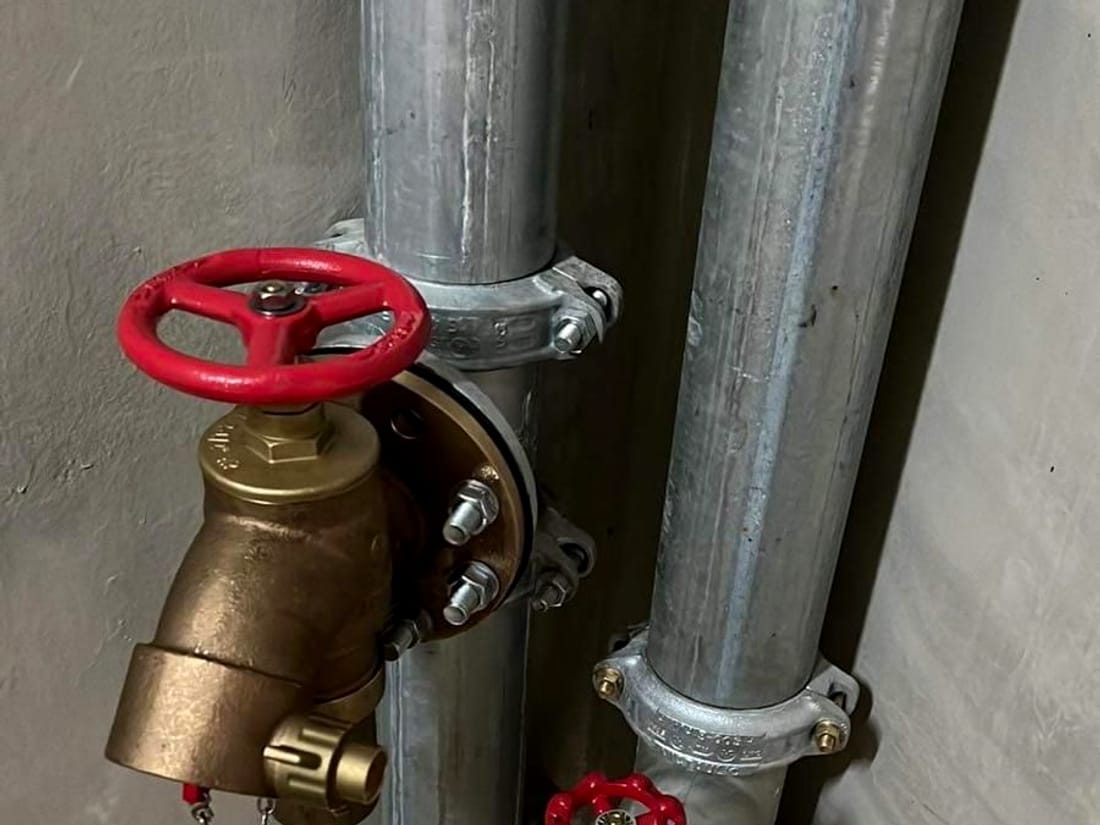
Wet risers
Charged risers, their pumps and their tanks, tested together because they only work together.
Wet riser servicingWhat this costs, and what moves the price Wet, dry, pre-action and deluge explained
Fire protection in London
Sentry Sprinkler Protection provides wet and dry riser servicing in London and across Greater London, from its base in Kettering. The deepest riser stock in the country. Central London is the densest concentration of tall buildings in the country, which makes it the densest concentration of dry and wet risers, and the place where the consequences of a failed test are most immediate.
Where we tend to end up: the Square Mile, Farringdon and Clerkenwell, and the mixed-use towers and podium car parks around Southwark and Bankside.
Wet risers are required above 50 metres and carry pumps, tanks and level alarms, so the servicing is materially more involved than a dry riser. Above 18 metres a dry riser is the minimum, and both are tested annually at pressure.
Buildings this applies to
- High-rise residential and mixed-use towers
- Commercial offices and headquarters buildings
- Hotels and hospitality
- Basement and podium car parks
What is actually built in London
London holds the deepest riser stock in the country. That is the plainest way to put it. The densest concentration of tall buildings anywhere in the UK is also the densest concentration of dry and wet risers, and the place where a failed test has the most immediate consequences.
Above 50 metres a wet riser is required, and a wet riser is a different proposition from a dry one. It is permanently charged, and it comes with pumps, a break tank and level alarms. All of it has to be proved together, because a riser with a sound pipe and a pump that will not reach duty is not a working riser. That is why wet riser servicing, and not sprinklers, leads the services on this page.
Below the towers sit basement and podium car parks, which carry their own considerations, and above them commercial headquarters buildings, hotels and mixed-use floors stacked on top of each other. Few buildings here are one thing, and the fire strategy is usually the only document that explains how the parts relate.
Why this matters in London
-
A wet riser is a system, not a pipe
Riser, pump, break tank and alarms have to be tested as one thing. Proving them one at a time proves nothing about whether they work together, and working together is the only state that matters at the moment of use.
-
Height decides which standard applies
Under BS 9990 a dry riser is the minimum above 18 metres; a wet riser is required above 50. A building that has been extended or reclassified can move across that line on paper, and the servicing obligation moves with it.
-
Access is the real constraint in the City
Parking, permits, goods lifts, building management approval and out-of-hours working are the things that actually shape a central London visit. We plan them before the day, because discovering them on the day is how a test gets abandoned half done.
-
Basement and podium car parks sit under occupied floors
A car park beneath a residential or commercial building puts a high fire load directly under people. That is a specific design case rather than an ordinary one, and worth surveying as its own problem rather than as part of the building above.
The systems London actually has
Wet riser servicing, dry riser testing and fire pump work, in that order, which is unlike anywhere else on our list. Sprinkler servicing exists here but the risers and the pumps behind them are what central London actually needs.
Getting there: Roughly seventy-five miles, and a planned job every time. Access, parking and out-of-hours working are more involved in the City than anywhere else we work, and all of it goes in the written quotation rather than appearing later on an invoice.
Not sure which standard your London building is held to?
It is a survey question rather than a paperwork one, and the survey is free. We read the building and the policy rather than assuming from the postcode.
The work, not the town
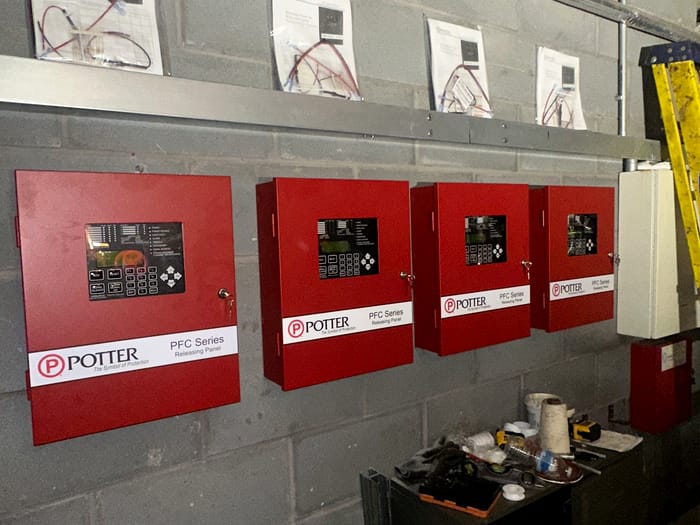
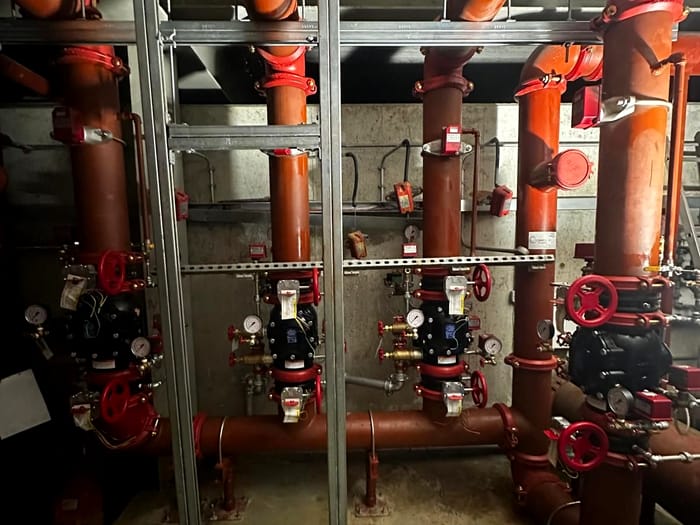
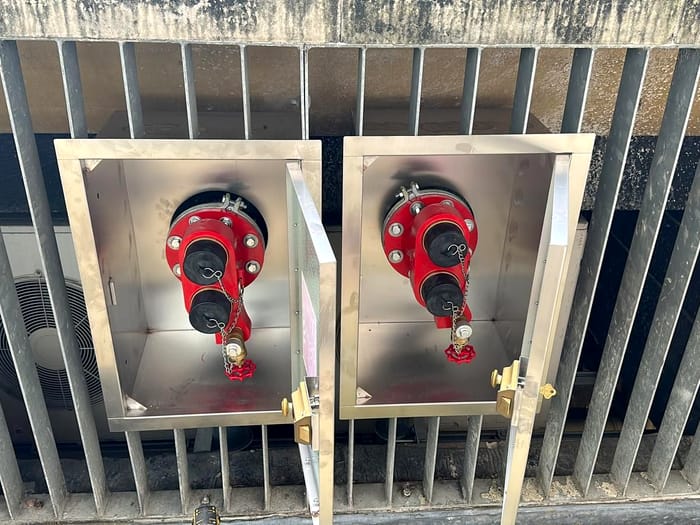
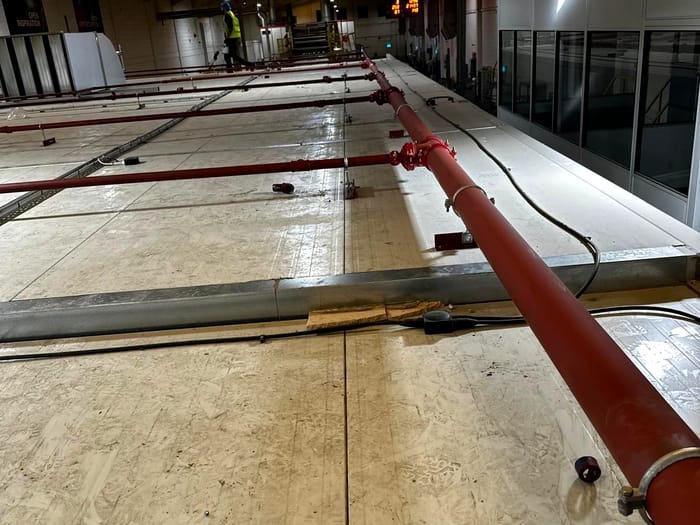
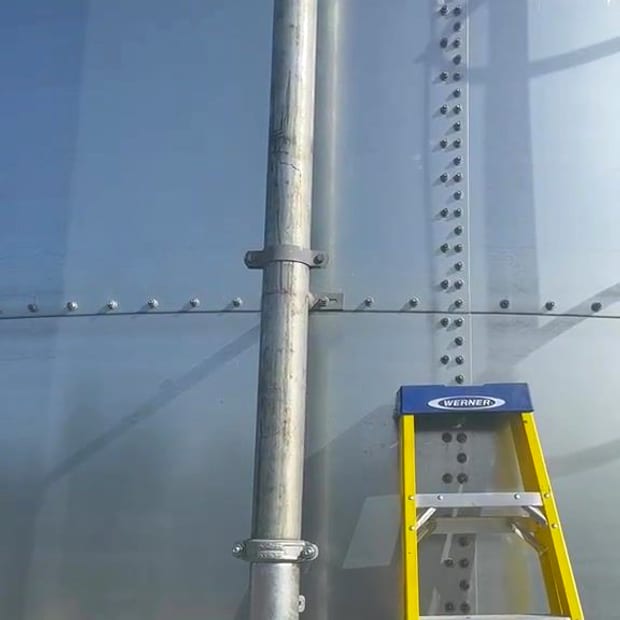
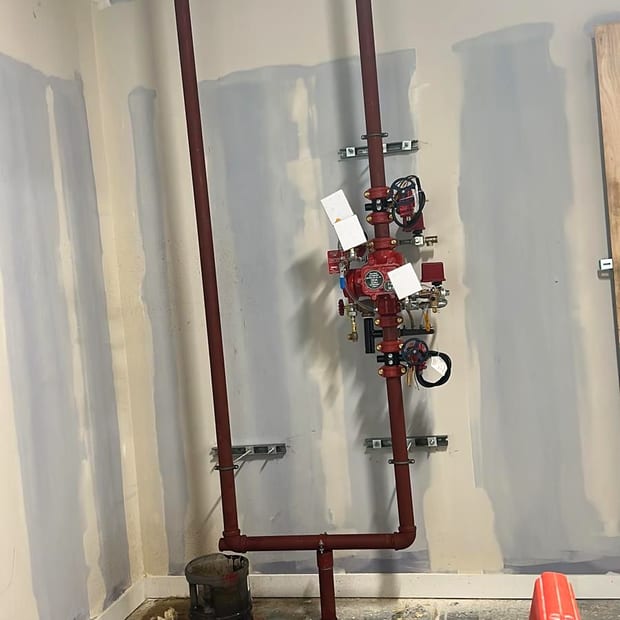
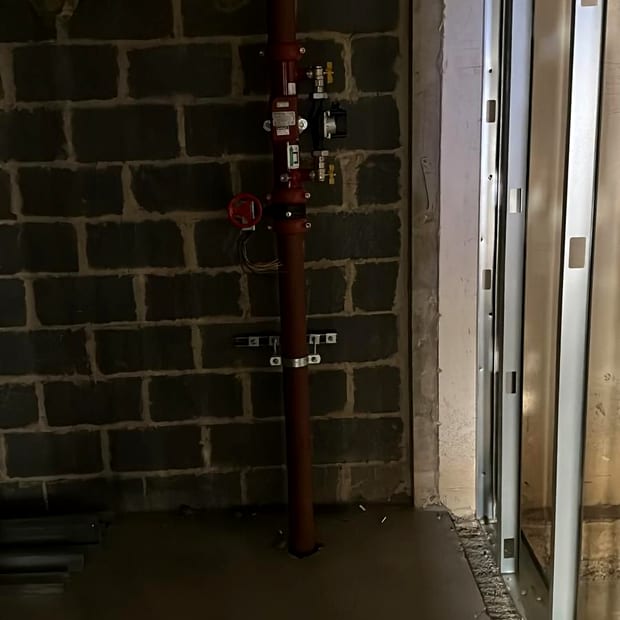
These are our own jobs rather than stock photographs. We have not claimed any of them were taken in London, because that is not something we would be able to show you.
All 62 photographsSpecific jobs in London
- Dry riser testing in London Six-monthly inspections and annual pressure tests on London towers, planned around access.
- Commercial sprinkler maintenance in London Offices, hotels and car parks on a fixed BS EN 12845 schedule.
- Fire sprinkler installation in London Residential towers, fit-outs and car parks: designed, installed and commissioned.
- Wet riser systems in London Risers, pumps, break tanks and alarms in London towers, proved together.
Worth reading before you ring
From first call to certificate
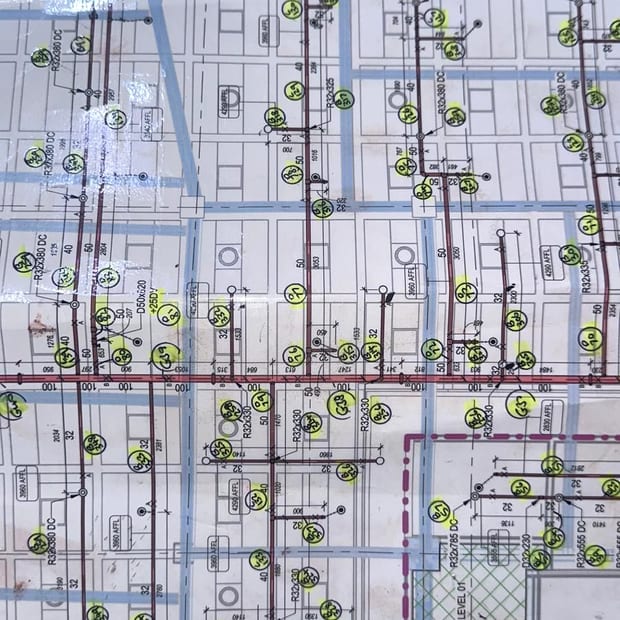
Four steps, the same on every job.
-
 01
Free survey
We look at the building and its records, and tell you what it is due.
-
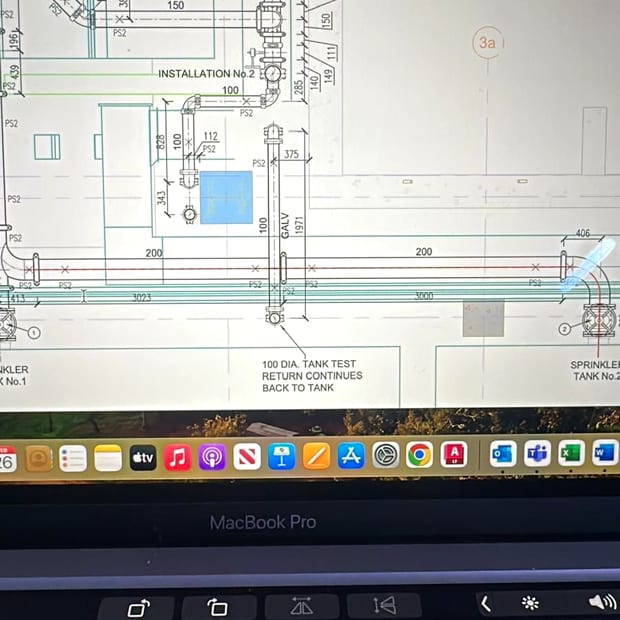 02
Fixed price in writing
Every item priced line by line. No survey fee, nothing added afterwards.
-
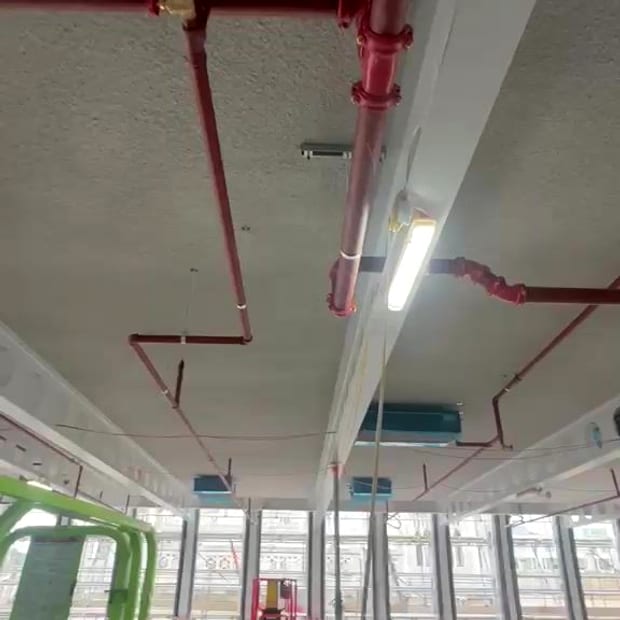 03
The work, on your dates
Isolation agreed before anyone arrives, kept as short as the job takes.
-
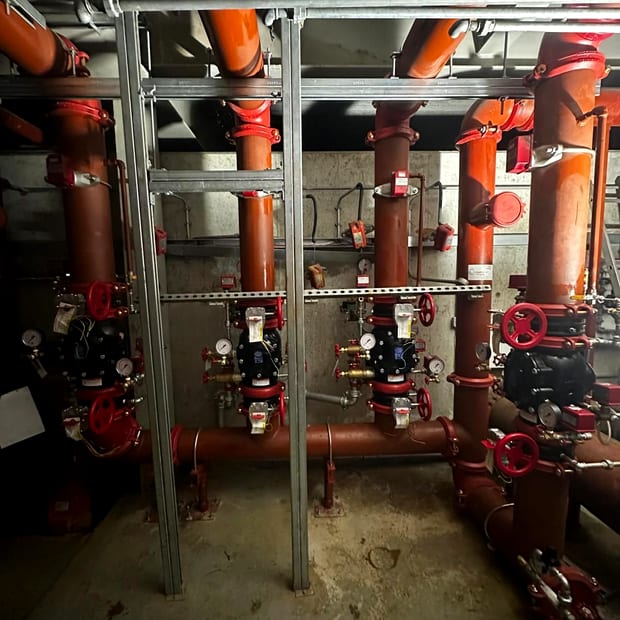 04
Certificate and record
A certificate and a photographed defect list, ready for your insurer.
- Start
Book the free survey
Tell us the building. We will tell you what it is due.
Book a free survey
Free survey · fixed price in writing
Tell us what you need. We will tell you what it takes.
Four quick taps and your details. A free survey and a fixed price in writing, with no survey fee and no obligation.
Mon to Fri, 7am to 5pm. Emergencies any hour.
Request received
We’ve got it from here.
Step 1 of 5 is done. Here is how the rest goes.
- Request sent Done
- 2 We call you Next
- 3 Free survey
- 4 Fixed price
- 5 Work done
London questions, answered
What is the difference between a wet and a dry riser in our building?
Height. Above 18 metres a dry riser is the minimum, and above 50 metres a wet riser is required, which is permanently charged and carries pumps, tanks and level alarms. That makes the servicing materially more involved and it is why the two are priced differently.
Do you do dry riser testing in London?
Yes. Dry riser testing under BS 9990 is a six-monthly visual inspection and an annual pressure test at 12 bar held for 15 minutes. In central London the visit is planned around access, parking and building management approval, and every test ends with a certificate and a photographed defect list.
Is central London more expensive to work in?
Somewhat, and we would rather say so than pretend otherwise. Access, parking and out-of-hours working cost more in the City than they do in Kettering. It is not a large uplift and it goes in the written quotation rather than appearing on the invoice.
Is the price different because we are in London?
We price the building and the work, not the postcode. Central London is the one place that carries an uplift, and we would rather say so than pretend otherwise: at 66 miles it is a planned day, and access, parking and out-of-hours working genuinely cost more in the City than they do in Kettering. It is not large, and it goes in the written quotation rather than appearing on the invoice.
Want a price for this building?
An engineer walks the plant room, counts what is actually there and writes it up. The survey is free, the figure is firm, and it holds for thirty days. No obligation either way.
Where London is on our patch
66 miles from our yard in Kettering, inside the ring we are in most weeks.
Towns near London
We cover all of England from our base in Kettering, so if your building is between two of these it makes no difference to us. Distances are straight-line, from London.
Certified, and audited on a schedule.
ISO 9001, certified by BRE Global and accredited by UKAS. Somebody independent audits how every job is planned, recorded and signed off, on a schedule.

ISO 9001:2015
Certified by BRE Global, accredited by UKAS
An audited quality management system. It means the way a job is planned, recorded and signed off is itself inspected by somebody independent, on a schedule.
Working to BS EN 12845, BS 9251 and BS 9990. If your insurer or fire risk assessor wants the certificates themselves, ring us and we will send them over.
Tell us the building. We will tell you what it is due.
No survey fee to find out where you stand. Describe the site and we will tell you which intervals apply and what the visit involves.
Request received
We’ve got it from here.
Step 1 of 5 is done. Here is how the rest goes.
- Request sent Done
- 2 We call you Next
- 3 Free survey
- 4 Fixed price
- 5 Work done